

Spotting Lameness in Horses: Why It’s Harder Than You Think
Spotting lameness in horses is one of the most challenging – and emotionally charged – skills any rider or owner can develop. We all want our horses to be comfortable, sound, and happy in their work, yet even experienced professionals can disagree on what they’re seeing. One quick scroll through Facebook horse groups proves the point: a short video posted asking “Which leg do you think it is?” often results in dozens of conflicting answers.
Front leg. No, hind leg. Actually, it’s the hip. Could be saddle fit. Maybe teeth. Perhaps nothing at all.
So why is spotting lameness so difficult, and how can riders become better at recognising early warning signs without jumping to conclusions?
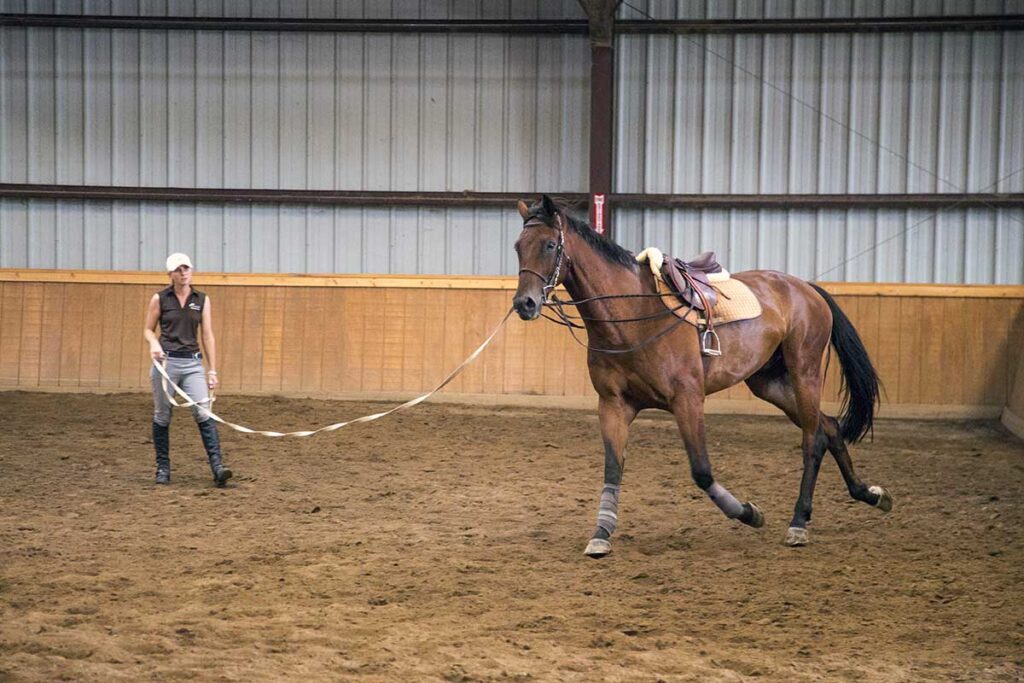
Common Signs Riders Look For
When people talk about spotting lameness, they’re usually watching for a few classic indicators:
- Head nodding – often associated with front limb discomfort
- Hip hike or drop – commonly linked to hind limb issues
- Shortened stride or uneven rhythm
- Toe dragging or delayed breakover
- Reluctance to bend, strike off on one canter lead, or maintain impulsion
- Behavioural changes – tension, resistance, or sudden “naughtiness”
The challenge is that none of these signs exist in isolation.
Why Everyone Sees Something Different
One of the biggest reasons online opinions vary so wildly is because lameness is compensatory.
A horse sore in one limb will often overload another. A hind limb issue can present as a crooked rider feel or even look like a front-end problem. Muscle soreness can mimic joint pain. Asymmetry in conformation can look like lameness even when the horse is sound.
Add to that:
- Different camera angles
- Uneven surfaces
- Poor video quality
- Horses moving differently with or without a rider
…and suddenly it becomes clear why ten people can see ten different things.
This doesn’t mean people are wrong – it means the picture is incomplete.
The Rider’s Influence (Often Overlooked)
Something rarely mentioned in Facebook discussions is the rider’s impact.
Uneven weight distribution, collapsing a hip, bracing through one rein, or gripping with one leg can all create movement patterns that look like lameness. The horse may actually be reacting to imbalance rather than pain.
This is why ridden and unridden assessments can look completely different – and why context matters so much.
Subtle Lameness vs Training Issues
Another grey area in spotting lameness is distinguishing discomfort from training gaps.
A horse that:
- Falls in on one rein
- Struggles with straightness
- Finds lateral work harder one way
may not be lame at all – but weak, crooked, or lacking strength. Equally, a horse in pain may appear lazy, resistant, or inconsistent rather than obviously uneven.
This overlap is where many owners feel stuck and second-guess themselves.
Why Early Detection Matters
Horses are incredibly good at coping. They adapt, compensate, and carry on – often until the issue becomes impossible to ignore. Early signs are easy to dismiss, especially when they come and go.
But catching discomfort early:
- Prevents secondary injuries
- Reduces time off work
- Improves long-term soundness
- Supports better welfare decisions
Trusting your instinct that “something doesn’t feel quite right” is often the first step.
A Smarter Approach to Spotting Lameness
Rather than asking “Which leg is it?”, a more helpful approach is to ask:
- Has something changed recently?
- Is this consistent or intermittent?
- Does it improve with warm-up or get worse?
- Is it the same on different surfaces?
- Does it appear only under saddle?
Keeping notes, videos over time, and tracking patterns is far more valuable than a single clip analysed in isolation.
Supporting Riders to See the Bigger Picture
This is exactly why we believe education and self-awareness are so important for riders.
Using tools like structured training audio, ridden prompts, and reflection helps riders become more attuned to what they’re feeling underneath them – not just what they see on video. Developing feel, straightness, and balance can clarify whether an issue is physical discomfort, training-related, or rider-influenced.
If you’re interested in improving your awareness in the saddle, you can explore:
- Our Audio Training Guides that help riders recognise feel, balance, and symmetry
- The Training Journal to track changes over time
- Resources on ridden straightness, contact, and consistency
(Internally link here to relevant app pages for Audio Guides, Training Journal, and the Rider Guider Free Trial.)
Final Thoughts
Spotting lameness is hard – even for professionals. The wide range of opinions seen online doesn’t mean people are clueless; it highlights just how complex the horse’s body truly is.
The goal isn’t to diagnose from a phone video. It’s to notice change, stay curious, seek qualified help when needed, and support the horse with thoughtful, educated decision-making.
Sometimes the most responsible answer isn’t “It’s the left hind” – but “Something has changed, and it’s worth investigating.”
And that awareness alone can make all the difference.