

Why Your Horse Won’t Go Forward From the Leg (And How to Fix It)
Understanding Why Horses Stop Responding to the Leg
One of the most common frustrations riders experience is a horse that seems unwilling to move forward when asked. A lack of response to the rider’s leg can make schooling sessions feel exhausting and unproductive, particularly when the rider feels they must constantly push the horse forward.
Forward movement is the foundation of all good riding. Without energy and willingness to move forward, it becomes difficult to develop balance, engagement, and rhythm. This is why trainers often say that forward energy is the starting point for every successful training session.
When a horse stops responding to the leg, it is rarely because the horse is simply being lazy. Instead, there are usually underlying reasons related to training habits, rider aids, physical comfort, or the horse’s understanding of what is being asked.
By identifying the root cause of the problem, riders can begin to rebuild responsiveness and create a more willing, forward-thinking horse.
Common Reasons Horses Ignore Leg Aids
Constant Leg Pressure
One of the most frequent causes of a horse ignoring the leg is constant leg pressure from the rider. When riders keep their legs tightly against the horse at all times, the horse gradually becomes desensitised to the aid.
Over time the horse learns that the leg does not necessarily mean “go forward,” and the response becomes slower or weaker.
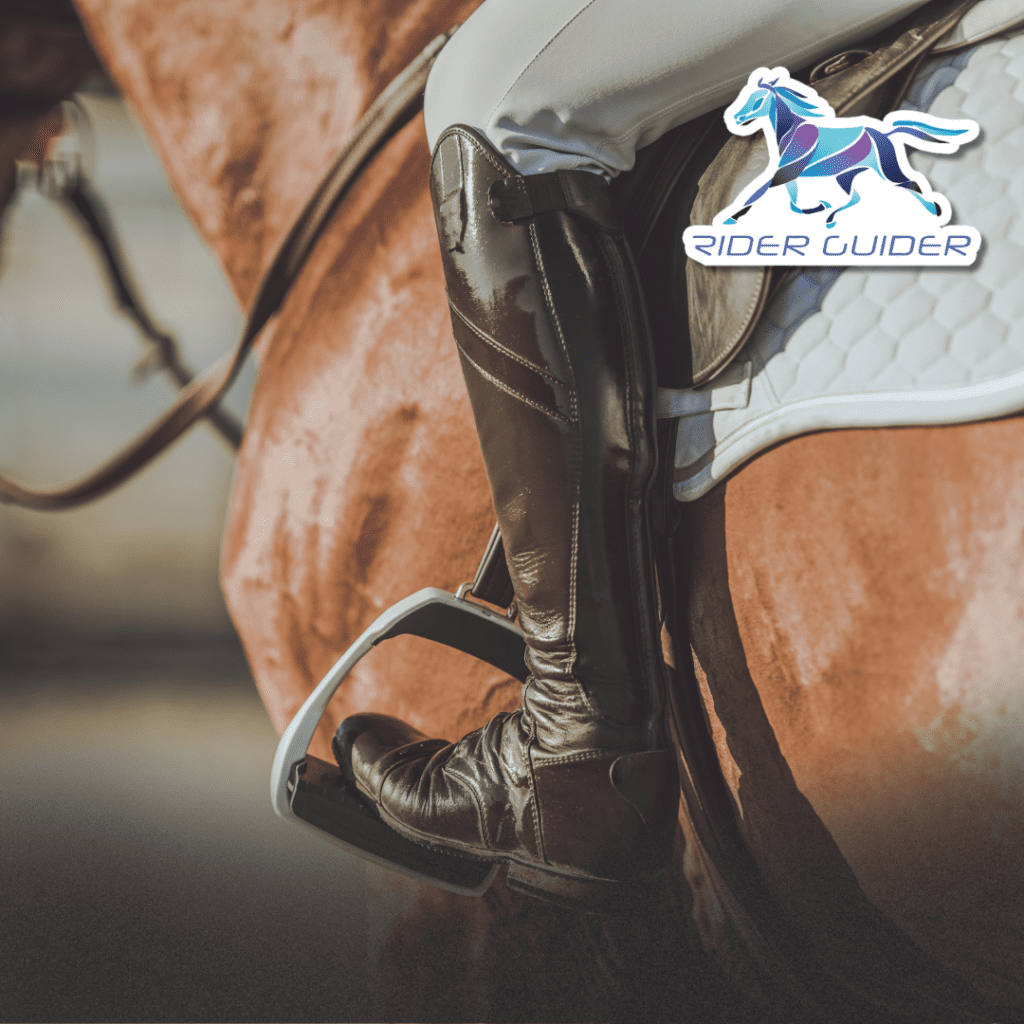
Instead, leg aids should be clear and purposeful. The leg should ask once and expect a response. When the horse moves forward, the rider should soften the aid as a reward.
This creates a clearer communication system where the horse understands exactly what the leg aid means.
Rider Balance and Position
A rider’s balance plays a significant role in forward movement. If the rider is unbalanced, leaning forward, gripping with the knees, or holding inconsistent rein contact, the horse may struggle to move freely.
In some cases the rider may unintentionally block the horse’s movement through tight hands or an unstable seat.
Improving rider balance and body awareness often results in an immediate improvement in the horse’s willingness to move forward.
Riders who follow structured schooling sessions often become more aware of their position and aids during training. Many riders find that guided riding sessions, such as those available in the Rider Guider Audio Training Guides, help them focus on improving communication with their horse during each ride.
Lack of Variety in Training
Horses can become mentally dull if they perform the same exercises repeatedly without variation. Schooling sessions that lack variety may cause horses to lose interest and respond more slowly to the rider’s aids.
Introducing different exercises such as transitions, pole work, and changes of direction can help keep horses mentally engaged and responsive.
Variety also helps develop the horse’s physical strength and coordination, which contributes to improved responsiveness.
Physical Discomfort
Occasionally, reluctance to move forward may indicate physical discomfort. Poor saddle fit, muscle soreness, dental discomfort, or minor injuries can make horses hesitant to move energetically.
If a horse suddenly becomes resistant to moving forward, it is always worth considering whether physical discomfort could be a contributing factor.
Ensuring that the horse is comfortable and pain-free allows training to progress more effectively.
Exercises to Improve Forward Response
Quick Transitions
Frequent transitions between gaits are one of the most effective ways to improve responsiveness to the leg.
Transitions encourage the horse to stay attentive to the rider’s aids and help activate the hindquarters. Moving between walk, trot, and canter encourages the horse to respond promptly when the rider asks for more energy.
Transitions should be ridden clearly and with purpose. When the horse responds correctly, the rider should soften the aids to reward the effort.
Forward Thinking Exercises
Encouraging forward thinking in the horse is key to improving responsiveness. Riders should aim to create energy from the hindquarters rather than simply pushing the horse forward with stronger leg aids.
Riding forward on large circles or straight lines can help develop rhythm and encourage the horse to move with greater confidence.
Maintaining consistent rhythm allows the horse to relax and move freely through the body.
Pole Work for Energy and Engagement
Pole exercises are extremely helpful for horses that feel sluggish or unresponsive.
Stepping over poles encourages the horse to lift the shoulders and activate the hind legs, which naturally increases energy and engagement.
Pole work also improves coordination and helps horses focus on the task in front of them.
Many riders include pole exercises as part of their regular schooling routine to keep horses attentive and forward thinking.
Rewarding Forward Responses
One of the most important aspects of improving responsiveness is rewarding the horse when it reacts correctly.
When the horse responds promptly to the leg, the rider should soften the aids and allow the horse to continue forward comfortably.
This reward reinforces the correct behaviour and encourages the horse to remain responsive.
Over time the horse begins to associate the leg aid with clear forward movement and relaxation.
Structuring Schooling Sessions for Better Responsiveness
Structured schooling sessions often produce better results than unplanned riding. When riders approach each ride with a clear goal, it becomes easier to focus on improving specific aspects of training.
For example, a schooling session might include transitions, pole work, and bending exercises that encourage the horse to remain attentive and responsive.
Riders who follow guided exercises often find it easier to maintain consistency and focus throughout the ride.
The Rider Guider Dressage Caller and Audio Training Sessions are designed to help riders structure their rides and include exercises that improve responsiveness, balance, and engagement.
Building a Forward, Willing Horse
Improving forward movement requires patience and consistency. Horses that have learned to ignore the leg may take time to rebuild responsiveness, but clear communication and thoughtful training can make a significant difference.
By using clear leg aids, rewarding correct responses, and incorporating exercises that encourage energy and engagement, riders can gradually develop a horse that moves willingly forward.
Forward movement not only improves training but also contributes to better balance, rhythm, and overall harmony between horse and rider.
Final Thoughts
A horse that responds promptly to the leg makes riding far more enjoyable and productive. When forward energy is present, all other aspects of training become easier to develop.
By understanding the reasons horses sometimes ignore leg aids and by introducing exercises that encourage engagement and responsiveness, riders can build a more confident and willing partner.
With consistent training and clear communication, most horses can rediscover their natural energy and enthusiasm for work.
Download the Rider Guider App to help you wth your training.