7 Pole Work Exercises for Horses to Improve Balance, Rhythm and Engagement
Why Pole Work Is One of the Best Training Tools for Horses
Pole work exercises are one of the most effective and versatile training methods available to riders. Whether you ride dressage, showjumping, eventing, or simply enjoy schooling at home, poles can help improve your horse’s balance, rhythm, coordination, and strength.
One of the greatest advantages of pole work is that it encourages horses to think carefully about where they place their feet. This improves body awareness and helps horses develop better coordination while strengthening the muscles needed to carry a rider comfortably.
Pole exercises also benefit riders. They help riders develop a more consistent rhythm, improve straightness, and maintain better balance throughout the ride. Even simple pole exercises can transform a schooling session by adding structure and focus.
Many riders find that following structured exercises during their ride helps them stay focused on specific training goals. Guided schooling sessions such as those available through the Rider Guider Audio Training Guides can help riders incorporate exercises like pole work into their rides with clear instructions and progression.
The Training Benefits of Pole Work
Pole work offers a wide range of physical and mental benefits for horses. When performed correctly and regularly, pole exercises can help develop the horse’s overall athletic ability.
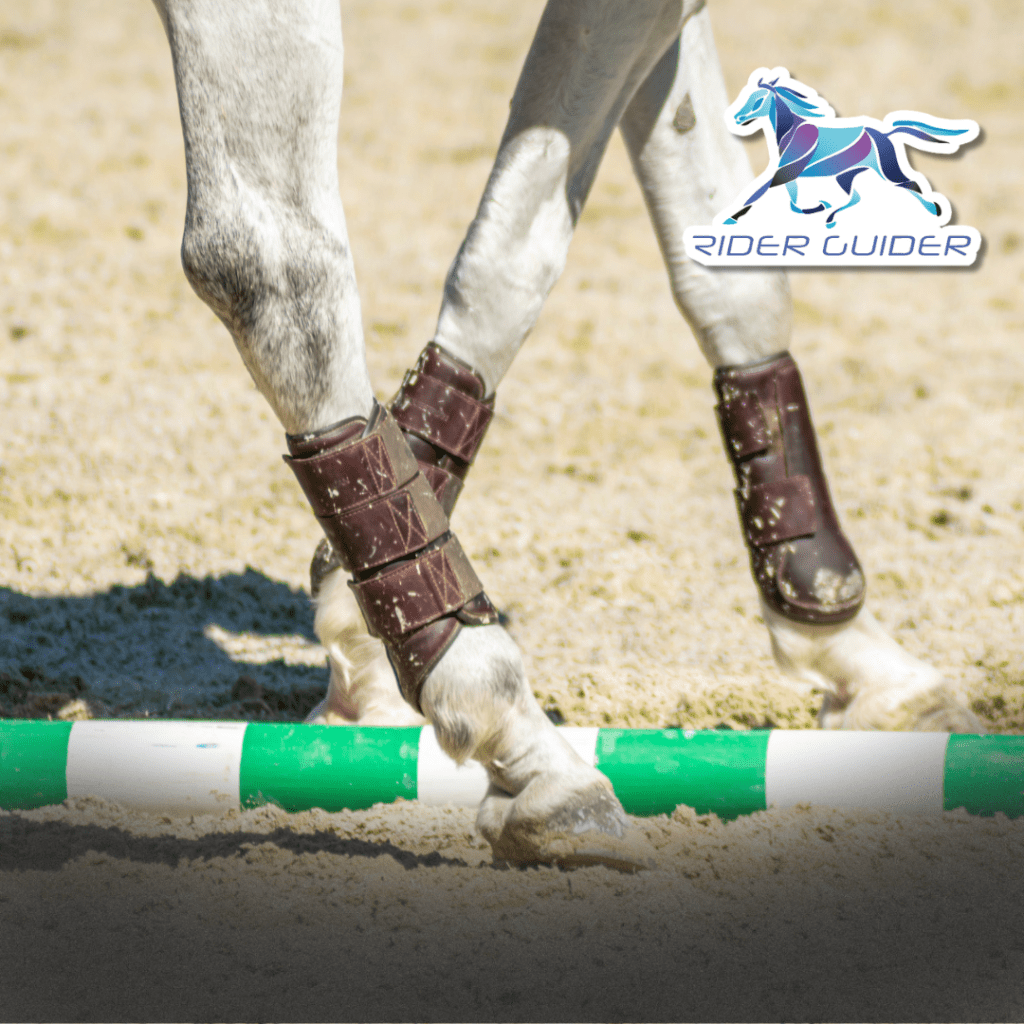
Firstly, poles encourage horses to lift their shoulders and step more actively underneath their body with their hind legs. This helps develop engagement and improves the horse’s ability to carry weight behind, which is essential for balance and correct movement.
Secondly, poles improve rhythm. Horses must maintain a steady tempo in order to step cleanly through the poles. This helps riders develop a more consistent pace and prevents rushing or slowing down during schooling.
Pole work also strengthens key muscle groups, particularly along the horse’s back and hindquarters. Over time, this contributes to improved topline development and better overall posture during work.
Finally, pole exercises keep schooling sessions interesting and engaging. Horses often become more attentive and focused when they are presented with new challenges and varied exercises.
Exercise 1: Walk Poles for Rhythm and Relaxation
Walk poles are one of the simplest and most beneficial exercises you can introduce into your horse’s training routine. Place four poles evenly spaced on the ground with approximately 80–100 cm between them, depending on your horse’s stride length.
Approach the poles in a calm, forward walk while maintaining a steady rhythm. Allow your horse to stretch through the neck and move naturally through the poles without rushing.
This exercise helps improve rhythm and encourages the horse to step evenly with each leg. It is also an excellent exercise for beginning a schooling session because it encourages relaxation and focus.
Many riders incorporate walk poles early in their training sessions to encourage the horse to loosen the back muscles and begin working through the body.
Exercise 2: Trot Poles for Engagement
Trot poles are one of the most widely used pole work exercises in horse training. Place four or five poles evenly spaced at approximately 1.2 to 1.4 metres apart depending on your horse’s natural trot stride.
Approach the poles in a balanced working trot, maintaining a consistent rhythm and allowing the horse to move forward confidently.
As the horse steps through the poles, they must lift their legs higher and engage their hindquarters more actively. This helps strengthen the muscles responsible for propulsion and balance.
Trot poles are particularly useful for horses that tend to rush or lose rhythm during training. The poles encourage the horse to regulate their stride and maintain a steady tempo.
Exercise 3: Raised Poles for Strength and Coordination
Once your horse is comfortable stepping over ground poles, you can gradually introduce raised poles. Raising one end of each pole slightly increases the level of difficulty and encourages greater muscle engagement.
Raised poles require the horse to lift the shoulders and engage the hindquarters more actively in order to clear the poles comfortably.
This exercise helps develop strength through the back and hindquarters while improving coordination and balance.
However, it is important to introduce raised poles gradually and ensure your horse remains relaxed and confident throughout the exercise.
Exercise 4: Fan Poles on a Circle
Fan poles are arranged in a curved pattern, with one end of the poles placed closer together and the other end spaced further apart. This creates a fan shape that can be ridden on a circle.
When riding fan poles, the horse must adjust stride length depending on which part of the poles they travel over. This encourages the horse to become more adjustable and balanced on curved lines.
Fan poles are particularly helpful for improving bending and balance in horses that struggle to maintain rhythm on circles.
Exercise 5: Zig-Zag Pole Exercise for Straightness
A zig-zag arrangement of poles encourages the horse to change direction and maintain straightness between the rider’s aids.
Place several poles diagonally across the arena so the horse must adjust direction slightly when travelling through them.
This exercise encourages riders to maintain accurate steering and helps horses remain attentive and balanced during directional changes.
Exercises like this can also improve communication between horse and rider as the rider must guide the horse carefully through the poles.
Exercise 6: Pole Exercises with Transitions
Combining poles with transitions is an excellent way to improve responsiveness and balance. For example, you might ride trot poles followed by a transition to walk, or approach poles in trot and transition to canter afterwards.
These exercises encourage the horse to remain attentive and balanced while responding promptly to the rider’s aids.
Transitions help activate the hindquarters, which improves engagement and helps develop strength over time.
Many riders find that incorporating transition exercises into their schooling sessions helps improve both responsiveness and balance simultaneously.
Exercise 7: Pole Grid for Coordination
Pole grids consist of several poles placed in sequence to encourage consistent stride length and rhythm.
For example, you might place three or four poles in a straight line spaced evenly apart. The horse must maintain a steady rhythm in order to step through the grid comfortably.
Pole grids are particularly useful for improving coordination and helping riders maintain consistent rhythm throughout the ride.
They also help horses develop better awareness of their stride length and balance.
Structuring Your Pole Work Training Sessions
While pole work is incredibly effective, it becomes even more beneficial when incorporated into a structured training routine.
Rather than simply riding over poles randomly, planning a session that gradually introduces different exercises helps both horse and rider progress more effectively.
For example, you might begin with walk poles, move to trot poles, and then finish with a more challenging exercise such as raised poles or a pole grid.
Structured sessions allow riders to focus on specific training goals such as rhythm, suppleness, or engagement.
Many riders follow guided schooling sessions such as those available in the Rider Guider training audio library, which provide step-by-step exercises riders can follow during their ride.
Safety Tips When Using Pole Work
When introducing pole exercises, it is important to keep safety and comfort in mind for both horse and rider.
Always ensure poles are placed securely and will not roll unexpectedly. Begin with simple exercises and gradually increase difficulty as your horse becomes more confident.
It is also important to maintain a calm rhythm and avoid rushing through the poles. Allow the horse time to understand the exercise and maintain balance throughout the movement.
Pole work should always feel relaxed and constructive rather than rushed or stressful.
Final Thoughts
Pole work exercises are one of the most valuable tools available for improving a horse’s strength, balance, and coordination. Even simple pole exercises can dramatically improve the quality of a schooling session by encouraging rhythm, engagement, and focus.
When incorporated regularly into training, pole work can help horses develop stronger muscles, better balance, and improved responsiveness to the rider’s aids.
With thoughtful planning and consistent practice, pole work can become a key part of a horse’s long-term training program and a powerful tool for improving overall performance and confidence.