Why Your Horse Feels Stiff When Riding
Have you ever climbed into the saddle and immediately thought, “My horse just doesn’t feel right today”?
Perhaps they feel reluctant to bend, struggle with transitions, drift through corners, or simply don’t move as freely as usual.
A stiff horse is something almost every rider experiences at some point. But stiffness isn’t a diagnosis in itself—it’s a symptom. Understanding why your horse feels stiff can help you address the issue appropriately and improve both their comfort and performance.
What Does “Stiff” Actually Feel Like?
Stiffness can show up in many different ways:
- Your horse feels harder to turn in one direction.
- They fall in through one shoulder or drift out through the other.
- Transitions feel delayed or resistant.
- They struggle to maintain a consistent rhythm.
- One rein feels heavier than the other.
- They seem reluctant to step underneath themselves.
- They resist flexion or bend.
- They feel short-strided or disconnected.
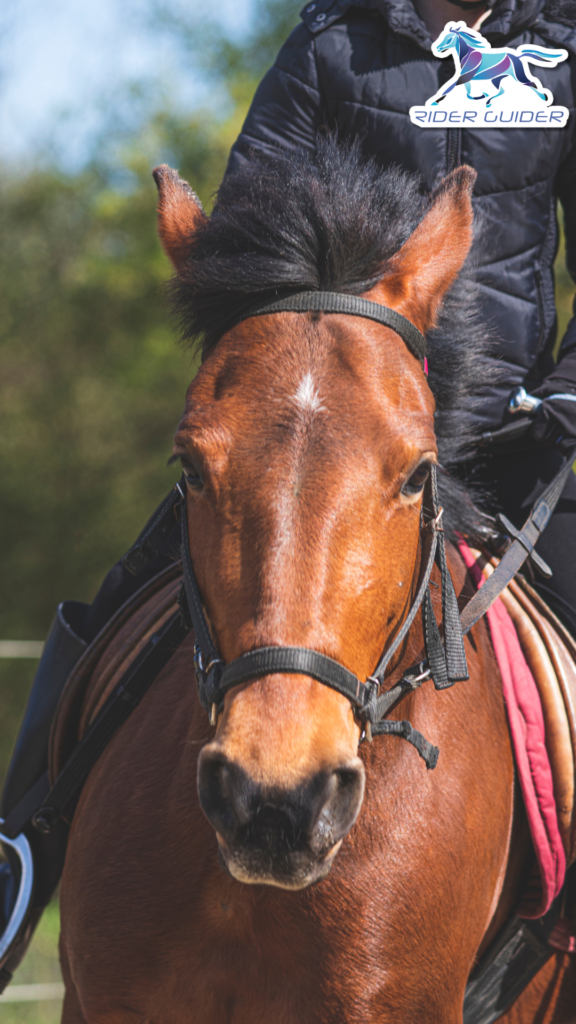
Some horses may appear lazy when they’re actually stiff. Others may become tense, rushing to avoid movements they find difficult.
Normal Stiffness vs. A Cause for Concern
Just like people, horses aren’t perfectly symmetrical. Most have a naturally stronger and weaker side, which means a degree of unevenness is completely normal.
Mild stiffness at the beginning of a schooling session can often improve as muscles warm up and the horse begins to loosen through their body.
However, stiffness that:
- suddenly appears,
- becomes progressively worse,
- only occurs on one rein,
- causes behavioural changes,
- or doesn’t improve with exercise,
should never be ignored.
Common Reasons Your Horse Feels Stiff
1. They Haven’t Properly Warmed Up
One of the most common causes of stiffness is simply inadequate preparation.
Cold muscles don’t stretch or contract as efficiently. Horses benefit from a gradual warm-up that encourages circulation and gently mobilises the joints before more demanding work.
Start with:
- Active marching walk.
- Large circles.
- Changes of rein.
- Gentle transitions.
- Progressive stretching.
Rushing straight into collected work, jumping, or more advanced movements can make stiffness much more noticeable.
2. Natural One-Sidedness
Every horse has a “good side” and a “difficult side.”
They may:
- bend more easily one way,
- carry more weight through one shoulder,
- push harder with one hind leg,
- or evade by falling in or out.
This isn’t your horse being naughty. It’s part of their natural asymmetry.
Consistent, thoughtful schooling aimed at improving straightness can gradually improve balance and flexibility.
3. Rider Influence
It’s often uncomfortable to admit, but sometimes the stiffness we’re feeling isn’t entirely coming from the horse.
If the rider:
- collapses through one hip,
- carries more weight in one seat bone,
- braces through the hands,
- shortens one rein,
- or twists through their upper body,
the horse will compensate.
Because horses mirror our balance, even subtle asymmetries can contribute to uneven movement patterns.
4. Muscle Soreness and Fatigue
Have you ever felt stiff after trying a new exercise at the gym?
Horses can experience the same thing.
After:
- introducing new movements,
- increasing workload,
- competing,
- travelling,
- or returning to work after time off,
muscle fatigue can temporarily affect how they move.
Appropriate recovery days, gradual fitness progression, and varied training all help minimise this.
5. Saddle Fit Problems
Poor saddle fit is a common but often overlooked contributor to stiffness.
A saddle that pinches, bridges, rocks, or creates pressure points can restrict movement and cause compensatory patterns throughout the horse’s body.
Warning signs include:
- reluctance to go forward,
- hollowing,
- tail swishing,
- uneven sweat marks,
- changes in behaviour,
- difficulty in transitions,
- or stiffness that develops during work.
Regular saddle checks are essential, particularly if your horse changes shape seasonally.
6. Dental Issues
Discomfort in the mouth can affect the entire way a horse carries themselves.
Dental pain may cause:
- uneven contact,
- resistance to the bit,
- head tilting,
- jaw tension,
- difficulty bending,
- and apparent stiffness through the neck and body.
Routine dental examinations play an important role in maintaining comfort and performance.
7. Hoof Balance
The old saying, “No foot, no horse,” exists for a reason.
Poor hoof balance can alter movement mechanics throughout the body.
Long toes, uneven feet, or changes in trimming and shoeing can influence how your horse loads each limb and subsequently how stiff they feel under saddle.
Regular farriery appointments are crucial for maintaining optimal movement.
8. Pain and Underlying Health Issues
Persistent stiffness should never simply be “worked through.”
Conditions such as:
- arthritis,
- back pain,
- gastric ulcers,
- sacroiliac discomfort,
- suspensory issues,
- kissing spines,
- muscular disorders,
- or low-grade lameness,
can all present initially as stiffness.
If something doesn’t feel right, trust your instincts and consult your vet or qualified professionals.
How Can You Help a Stiff Horse?
The key is identifying the cause rather than masking the symptom.
Helpful strategies include:
Build Better Warm-Ups
Spend adequate time allowing your horse’s muscles and joints to prepare for work.
Focus on Suppleness
Exercises such as:
- serpentines,
- loops,
- circles,
- leg yield,
- shoulder-fore,
- transitions,
- and pole work,
can encourage flexibility and engagement.
Prioritise Straightness
Balanced, symmetrical work develops both sides of the horse evenly over time.
Assess Yourself
Consider lessons, video analysis, or bodywork to address your own asymmetries.
Use Professional Support
Regular input from vets, physiotherapists, saddle fitters, dentists, and farriers can help identify underlying issues early.
Listen to What Your Horse Is Telling You
Stiffness isn’t your horse being lazy, stubborn, or difficult.
It’s communication.
Sometimes they’re simply asking for a longer warm-up. Sometimes they’re highlighting weaknesses that need thoughtful training. Occasionally, they’re telling us they’re uncomfortable and need help.
Learning to recognise the difference is one of the most valuable skills any rider can develop.
Train Smarter with Rider Guider
At Rider Guider, our guided riding audios help you understand what you should be feeling, seeing, and doing in the saddle.
Rather than simply telling you what exercise to perform, our audio coaches talk you through each step, helping you recognise your horse’s responses, identify common mistakes, and make appropriate adjustments as you ride.
Whether you’re working on suppleness, straightness, transitions, contact, or improving overall way of going, Rider Guider gives you the confidence of having expert guidance in your ear between lessons.
Because the better we understand our horses, the better we can support them.
Have you ever noticed your horse feels stiffer on one rein than the other? What made the biggest difference for you? Let us know in the comments.
Download Rider Guider today from the App Store or Google Play and start your free trial to experience guided training designed to help you and your horse progress together.